

Let’s talk about one of the less glamorous sides of ‘houseplant care’ – pests. Unless you have been extremely lucky, you will probably have come across bugs in some form or another. The reality of keeping quite a lot of plants means this can be an issue sometimes.
Things had been running pretty smoothly in the HPH household until a few months ago, when I was admiring a new vine growing on my bathroom ivy I had painstakingly rooted myself… and saw a BIG mealy bug. This was the first time I had seen a mealy bug up close and personal. I promptly picked the plant up and flung it in the kitchen bin …bye bugs (and ivy)!
Fast forward to plant inspection two weeks ago where I picked up my cordyline fruticosa to find a whole load of mealies like little bits of cotton wool on the stem and underside of the leaves. I took the plant out to the kitchen (now simultaneously referred to as the quarantine zone) …but this time, instead of heading straight for the bin I paused. I wasn’t in the mood for giving up so easily this time so got out my cleaning arsenal and put on the rubber gloves.
*FOR REFERENCE I USED DR BRONNER’S CASTILLE SOAP – DILUTED AT A RATIO OF 1TSB/1 CUP OF TEPID WATER*
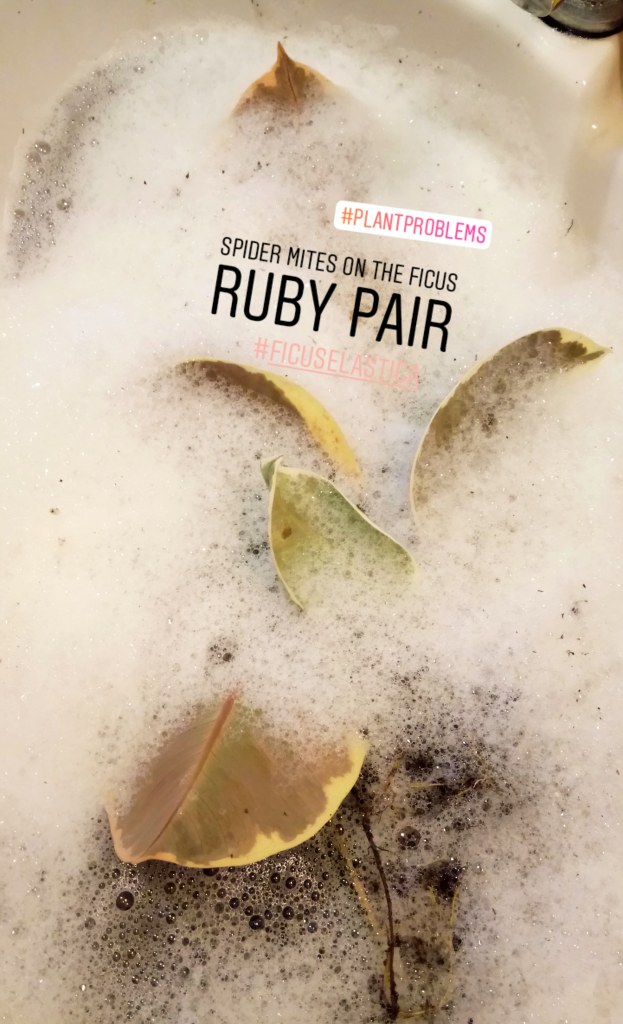
BELOW: This is my cordyline getting it’s soak in the sink / carrying out a soil change before repotting / The two ficus elastica getting their soak / repotting together in fresh soil.



🌿 PORTRAIT OF MY PLANTS IN QUARANTINE:

After I posted about my pest problems on my Instagram feed (under photo above), I got lots of requests to dedicate a blog post to the matter, so here it is. Since the cordyline treatment, I have been extra vigilant checking my other plants and have had some more cleaning tasks to undertake. Next in line was the spider mitey ficus pair from Tesco. I carried out the same treatment here, and to my dismay, have nearly lost two of the beautiful leaves in the process. Unfortunately, this is inevitable and ficus can be a bit on the temperamental side anyway, so it’s a sacrifice worth making if the plant is able to be saved.


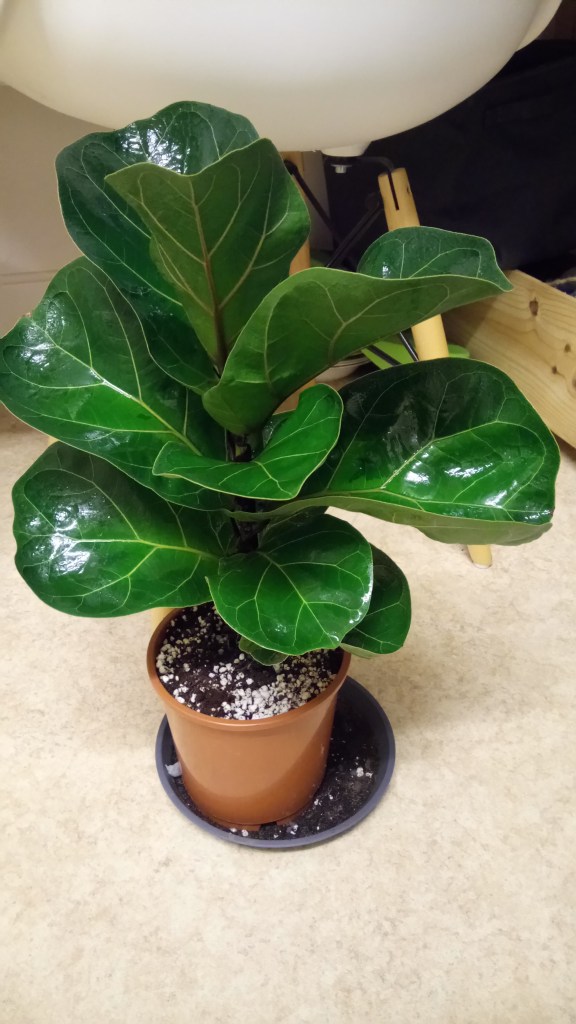
Next were my bambino FLF and aspidistra which had a few mealies so I decided to give them a castille solution spray treatment (as opposed to a bath) before a shower and a hearty dose of SB invigorator. Then most recently, and what was perhaps the most tricky, was my sansevieria black coral. I will admit I had been avoiding doing this for two weeks after placing it in quarantine (read: on the floor in the corner of my kitchen) as I knew it was going to be tricky. I suspected spider mites because as the photograph below shows, there was a suspicious web across the bottom of the pot, reaching up to some of the leaves. Despite not being able to see anything, I’d wiped the web away a few times and it kept coming back, so knew I needed to do something.
It was at this stage that I thought it would be helpful to photograph the process for you all to see, in a hope that it will help give you the confidence to tackle these unpleasant situations.
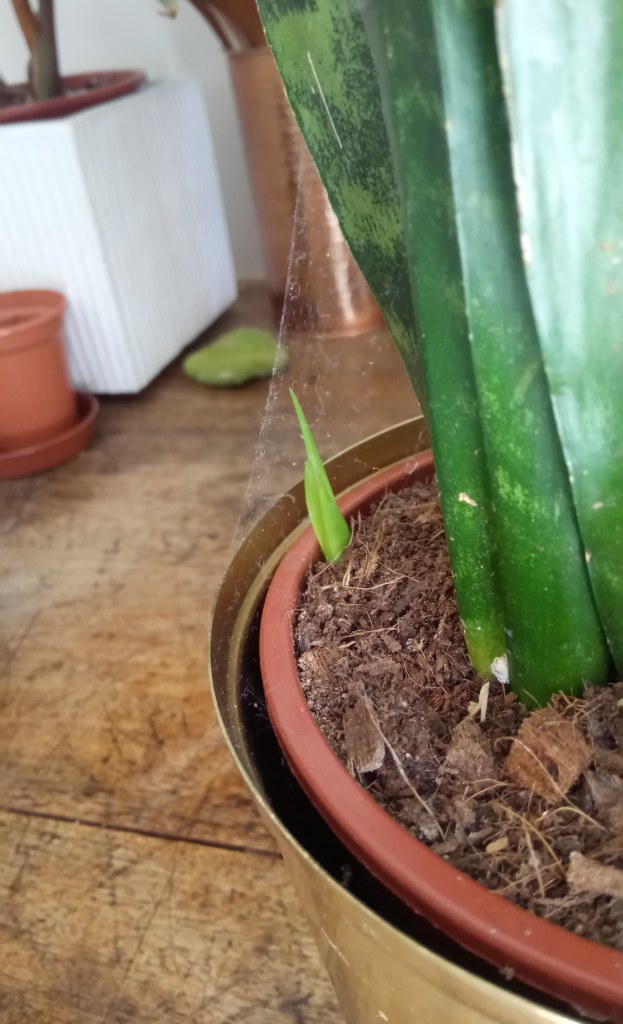
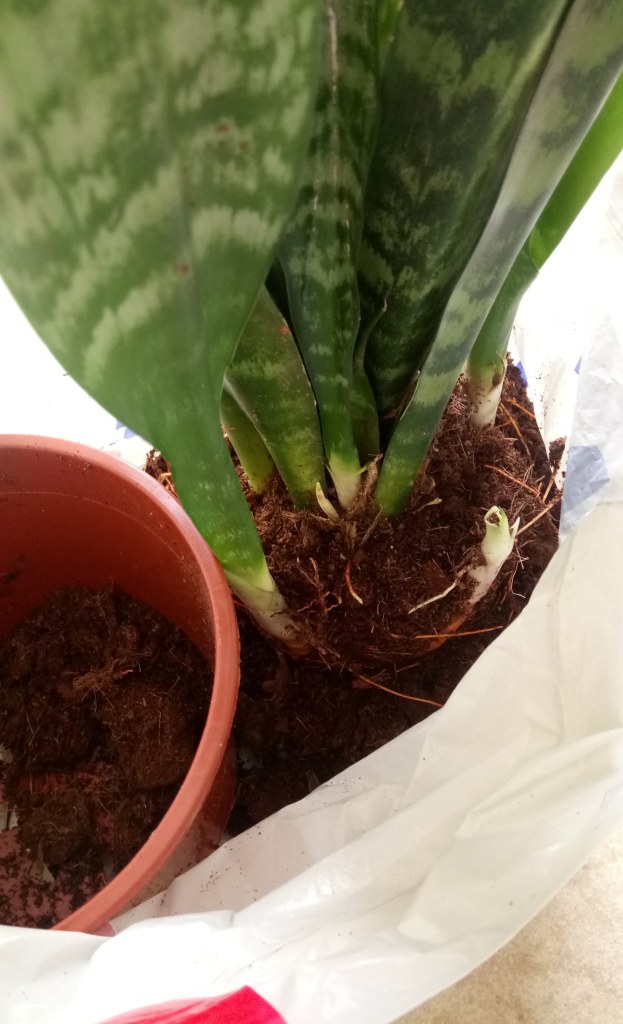

ABOVE: Fine web that set alarm bells off for me with this plant / After removing the pot inside a plastic bag, I loosened as much soil off as possible / First soaking in castille soap – 20 minutes in here, agitating often.

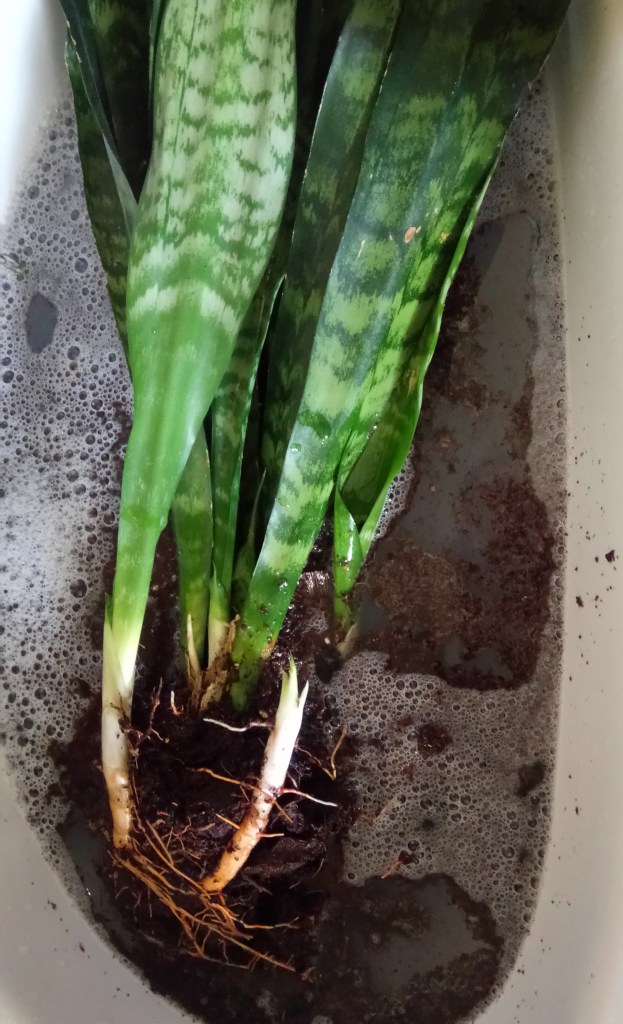

ABOVE: After the initial soak / Washed out the sink and filled up the sink for a second castille rinse as there was a lot of soil in between the leaves / After it’s second 20 minute soak the plant (and water) was much cleaner.


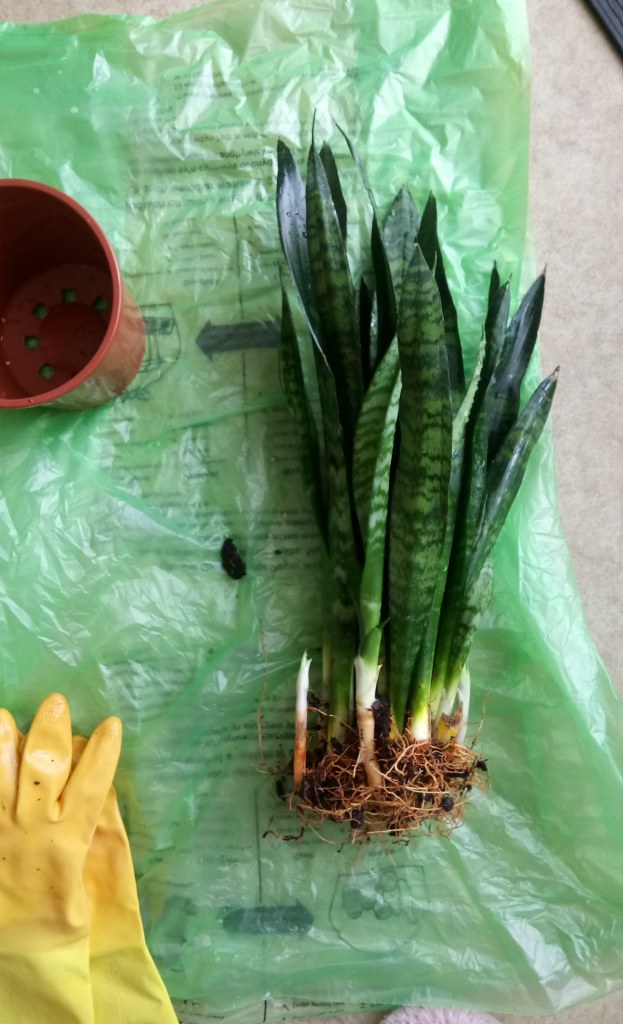
ABOVE: Time to clean the sink – it’s ready for a shower now / After it’s shower I left the plant to dry for 30mins / Getting ready to pot again (in fresh soil).


ABOVE: After it’s rinse, the plant has ‘opened up a bit’ and I can see the new growth coming through! / Repotted / Full length photo after potting and being given a good watering.
🌿 Some extra tips I would like to offer…
– Keep new plants in isolation for a few weeks if possible before introducing into your plant space. I always do this incase any plants are carrying pests after being in stores. Whilst plants in supermarkets can be really affordable – be wary! Since my Ficus elastica issues above, I spoke to a number of managers at Tesco who were tracing the issue back to the distribution centres. A lot of stores are not trained in plant care so my advice would be to proceed with caution.
– With the change of seasons, consider moving your plants around – most will need some re-adjustment to keep them happy!
– Consider the issue of humidity which can increase the risk of pests (particularly red spider mite)- I’ve recently got a digital humidity monitor to keep a closer eye on this.
– Get yourself a copy of Dr D.G. Hessayon’s The Houseplant Expert to equip yourself with the wealth of knowledge about pests and diseases. The illustrations can really help determine what is wrong with a struggling plant and the pictures aren’t too graphic (for you squeamish types!)


 HOUSE PLANT HOUSE
Leave a reply to tonytomeo Cancel reply